
Wow!
I ran into scam sites early and paid a steep learning fee.
At first the problem looked simple — seed phrase safety and device hygiene — but as I used different chains and dapps the attack surface expanded in ways that surprised me and demanded a different approach to the browser extension model.
There were phishing overlays, malicious approve flows, and clipboard hijacks that I didn’t anticipate when I first signed up for liquidity pools on weekends.
Seriously?
Yeah, my instinct said it would be straightforward at first.
But real usage exposed UI traps and cryptic approvals that made me pause before signing anything.
Initially I thought a single carefully chosen extension and a hardware key would be enough to protect against most threats, but then I realized that the wallet’s UX choices themselves can create risks by encouraging blind approvals or hiding gas and contract details behind jargon, so the defensive strategy needed to include permission management, contract whitelisting, and UI patterns that force deliberate friction when approving sensitive transactions.
Actually, wait—let me rephrase that: you need both a secure runtime model and a practical workflow that you will actually follow every day, otherwise the best security is useless because people will bypass it when convenience pushes back.
Whoa!
Here’s what bugs me about many popular browser wallets today.
They treat contracts like magic and hide details behind terse dialogs.
I once lost access to a small position because I approved a multisend contract without understanding the allowances it created, and that sting taught me to build layers: permission controls, per-dapp aliases, and staged approvals that limit financial exposure.
That morning felt like a crash course in humility and design failure, and somethin’ in me changed—I’m more cautious, and I annotate everything now, often with trailing notes in transaction memos so I remember why I signed, even months later…
Hmm…
For builders, these are practical tradeoffs to wrestle with.
Security can be supreme but boring, while retention pressures favor frictionless flows.
On one hand a vault model isolates approvals into a sandbox that limits blast radius, though actually implementing that sandbox requires careful UX, deterministic signing rules, and extensive testing across networks so edge cases like chain forks, token wrapping, and gas estimation don’t sneak past defenses.
So I started using a wallet that focuses on permission clarity and transaction intent, and over months it reduced my accidental exposures and made me trust my browser workflow more than before.
Here’s the thing.
Why I Recommend Trying Rabby
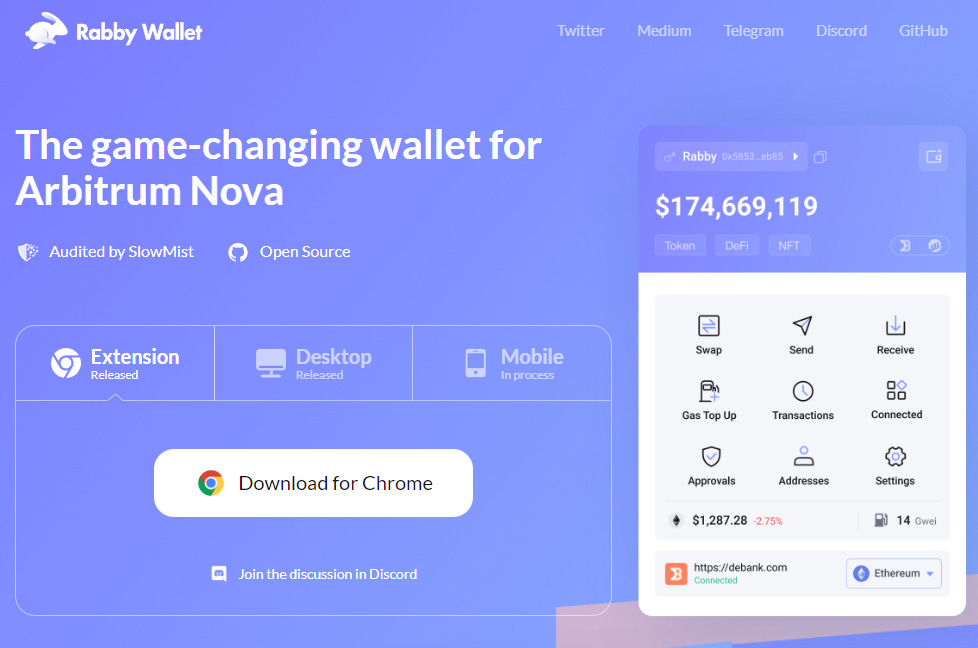
If you want to try a wallet that blends permission control with a smooth developer-friendly interface I recommend checking the Rabby extension and getting the rabby wallet download to start with a setup that separates allowances by dapp and shows contract data inline.
The on-boarding teaches you to think about approvals as scopes rather than single clicks, and that perspective reduces risk without requiring hardware keys for every small interaction.
Still, you should pair any extension with basic practices: dedicated browser profile, script blockers for unknown sites, and a cold-wallet for large holdings so your day-to-day doesn’t put all eggs in one extension basket.
I’m biased, but…
After months of active use my mental model matches the wallet’s affordances and I rarely second guess approvals now.
This doesn’t mean full protection; exploits evolve and new UI anti-patterns appear all the time so ongoing vigilance is necessary.
There’s an evolving checklist I use before approving anything: check contract source or verifier when available, verify recipient addresses manually, look for unusual function calls, limit allowances to a minimum, and if the transaction feels odd I pause and simulate it on a testnet or ask a peer in the community for a quick sanity check.
I’m not 100% sure about future threats, though I’m pragmatic—build good habits, use a focused extension like Rabby for clarity, and keep one foot in the cold-wallet world while your browser handles day-to-day moves…
FAQ
Is Rabby a replacement for a hardware wallet?
Really?
Not exactly — Rabby is designed to improve permission clarity and reduce UX-driven mistakes in daily browser interactions, but for very large holdings you should still use a cold or hardware wallet as your last line of defense.